
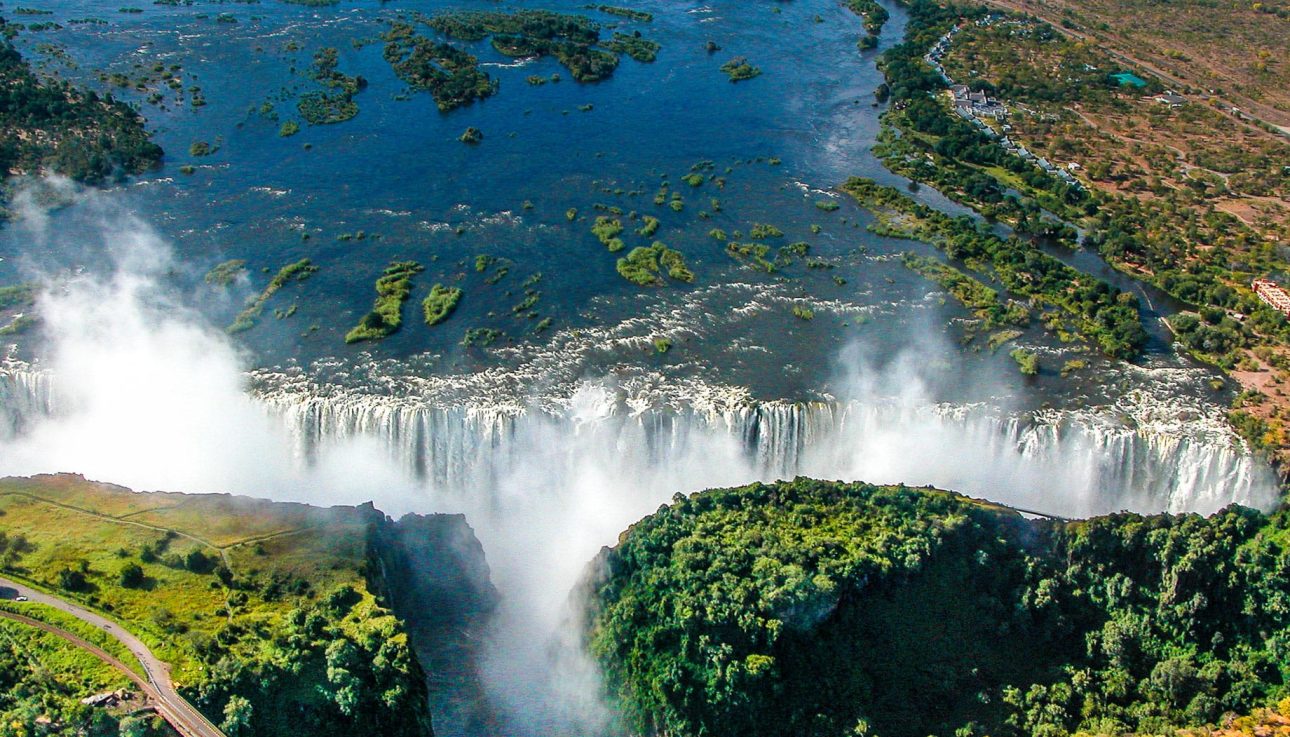
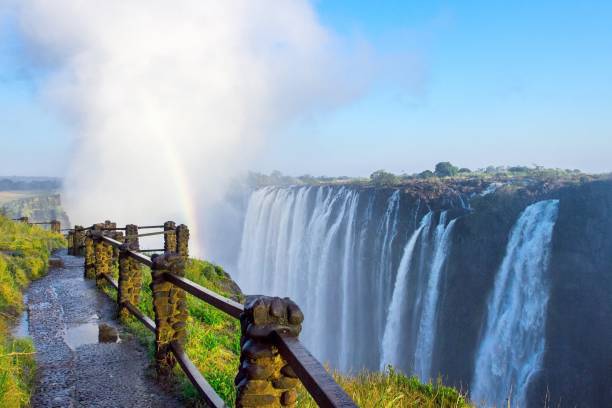
Victoria Falls changes character through the year. Sometimes the attraction is raw power and spray. At other times it is clearer gorge views, warmer days, stronger safari conditions or access to seasonal river experiences. The best month depends on what you want the trip to feel like.
January and February: green, warm and changing quickly
The rainy season brings fresh vegetation, warmer temperatures and a river that is generally building. Showers can arrive suddenly, but they also give the landscape a vivid green look that feels very different from the later dry season.
For travellers who like fewer rigid plans, this can be an attractive time to combine the Falls with town, culture and river experiences. Keep a light waterproof layer handy and protect phones or cameras near the viewpoints.
March to May: the Falls at their most dramatic
This is the period many people imagine when they picture Victoria Falls: heavy flow, deep thunder and clouds of spray. The experience can be spectacular, although the same spray that creates the drama can sometimes obscure sections of the waterfall from ground level.
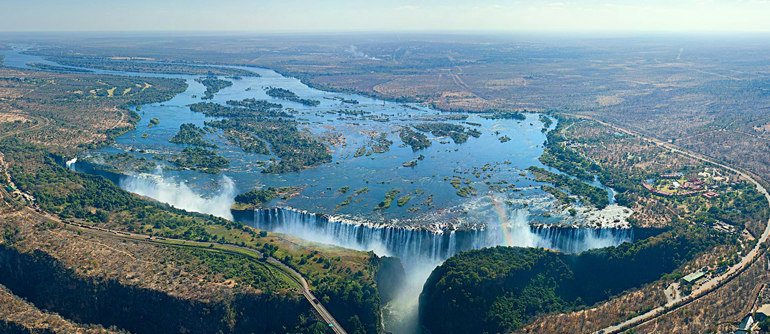
If you want to understand the full shape of the river in high water, a scenic flight can add useful perspective. A helicopter flight over Victoria Falls or a microlight flight shows the river, gorge and waterfall as one landscape.
June to August: a very easy all-round period
The dry season settles in, temperatures become more comfortable and visibility around the Falls generally improves as water levels begin to fall from their peak. This is an excellent period for travellers who want variety: the Falls, Chobe, a sunset cruise and wildlife near Livingstone can all fit naturally into one stay.
Evenings can feel cooler than visitors expect, especially on the river, so a light layer is useful for sunset cruises and early safari departures.
September and October: warm days, clear skies and adventure
These months can be hot, but they also suit travellers who are interested in seasonal adventure. Lower water reveals more of the rock face and gorge, while safari viewing often becomes rewarding as wildlife concentrates around water.
Seasonal activities such as Devil’s Pool depend on actual river conditions rather than a calendar guarantee. Check current operating status close to your visit.
November and December: heat, early rains and transition
November is often one of the hotter periods. Early rains begin to refresh the landscape, while the Zambezi does not respond instantly because rainfall farther upstream takes time to move through the river system. December can therefore feel like a transition rather than a simple switch back to high water.
Choose high-water months for scale and drama, mid-year for the easiest balance of activities, and the later dry season for adventure and safari combinations. There is no single month that is “best” for every traveller.
How to plan around the season
Book the activity that is most sensitive to conditions first. Scenic flights depend on weather. Livingstone Island depends on river levels. Cross-border safari days need passport and entry planning. Once those are fixed, fit the easier pieces—Falls walks, city tours and river cruises—around them.
Start with the Falls
A guided walk gives you local context and helps you make sense of how the viewpoints change through the year.
Travel note: Seasonal conditions vary each year. Zambia Tourism provides destination information on Victoria Falls; confirm current activity availability close to travel.